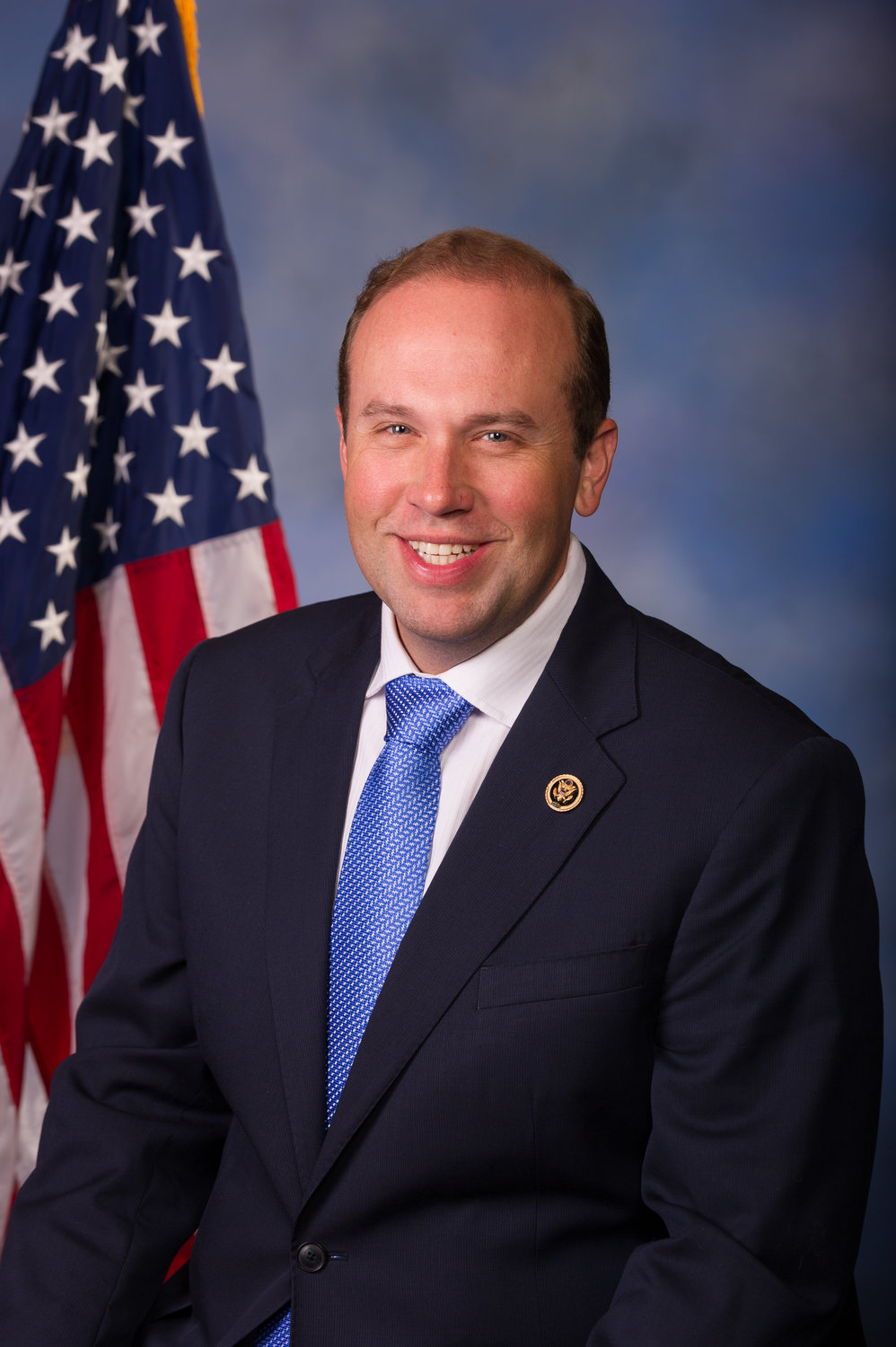
I’ve always said the most rewarding thing about being elected to represent the people of southeast and south-central Missouri is being able to fight for people whose needs are being ignored by Washington bureaucrats. Often, that means fighting back against D.C. overreach or regulations being proposed that harm working Americans. But sometimes, fighting for the people of Missouri means giving a voice to the voiceless — and that’s why I was proud to join First Lady Melania Trump this week at a roundtable I hosted to help foster youth, a group of individuals who are too often forgotten.
Mrs. Trump has started a “Fostering the Future” initiative aimed at providing educational opportunities and technology-based scholarships for foster youth. One individual helped by this program, whose story I recently learned about, was Seth from Rolla, who entered foster care around age 15 and aged out at 18. He experienced homelessness, worked three jobs and walked six miles each day to travel between them. Seth received the Melania Trump Foster Youth to Independence housing voucher, which, in his words, “ f l i p p e d the script” on what he thought was possible in life. Today, he works as a corrections officer and intends to apply to college this fall.
Seth’s story is heartwarming, but unfortunately, it is an outlier in the foster care system. There is a federal program, the John H. Chafee Foster Care Program, designed to help foster youth successfully transition to adulthood and independence, but it is in need of modernization. During the roundtable, we explored ways to enhance how states use federal funds, strengthen coordination between child welfare and housing programs, and expand access to education and workforce training opportunities. We also heard directly from foster youth who have successfully reached college about the barriers they faced in achieving their dreams.
As chairman of the Ways and Means Committee, which has jurisdiction over the nation’s foster care program, I am committed to turning the First Lady’s vision into a brighter future for the next generation of foster youth. In my committee, we have introduced a package of six bipartisan bills aligned with the goals of the initiative. These reforms are designed to make educational vouchers more accessible to foster youth who do not attend college and to provide additional assistance to those who become homeless. Together, they address real-world problems experienced by too many young people who enter the foster system — often through no fault of their own.
I am committed to continuing this bipartisan work alongside Mrs. Trump, focusing on reforms that improve housing, education, job training and legal support for foster youth. By strengthening programs like Chafee and supporting the administration’s Fostering the Future initiative, we aren’t just helping individual young people — we’re building a stronger America.


